

Buying a Steel Chiminea
Chiminesas can be an excellent addition to any garden and bring family and friends together. There are some considerations to consider prior to buying the chiminea.
The chiminea, for instance, must be placed on an insulated base that is resistant to heat and flame. It also needs to be kept away from anything that could catch fire.
Easy to Assemble
The directions in the manual will show you how to construct your chiminea made of steel. Chimineas made of steel can be extremely heavy and should be handled with caution. It is also important to be careful not to place flammable items close to the chiminea as the extreme temperatures it generates could cause damage to the chiminea. In addition, it is recommended to keep the chiminea in a fixed location and placed on a non-flammable area such as a patio.
When the chiminea is constructed, it should be thoroughly cleaned with a wire brush or broom to eliminate dirt and other debris from the joints. The rusty pieces must be sanded down. This will ensure that the paint adheres well and provides a more durable finish. Also, the chiminea needs to be completely dry before you start painting. You can use a high-quality, rust-resistant outdoor paint like Rust-Oleum Stove and BBQ paint. It is recommended to apply at least two coats of the paint in a row, allowing each coat to dry for a few hours before applying the next coat.
Chimineas can be extremely durable but require regular maintenance to remain in good shape. This is true especially in areas that have a lot of humidity or a lot of salty air. These conditions can speed up the process of rusting. To stop this from happening you must clean your chiminea regularly and shield it with a rust-resistant surface.
Before you begin the process of assembling your chiminea, it is best to take some time to think about the placement of the unit. It is crucial to keep it away from the flammable materials like wooden fences and planters, lighting for gardens or furniture. Chiminesas should be located at least six feet from any other structures or buildings.
It is also important to cover your chiminea in case you are expecting rain. This will shield it from ice, moisture and other factors that can cause it to crack. If you don't have a cover available you could also try covering the chiminea using an tarp or sheet.
Easy to Clean
Utilizing the correct cleaning products and following the correct care guidelines will ensure that your chiminea made of clay looks great and remains safe for many years to be. Clay is a fragile material that is easily damaged or broken if not properly maintained. Check the chiminea on a regular basis and remove any debris that builds up. This will keep the chiminea looking appealing and reduce the risk of fire hazards resulting from the accumulation of tinder or soot.
Clean the inside of your chiminea by paying special attention to any gaps and difficult-to-access areas. Using a wire brush to clean the interior is ideal, but you can also employ a cleaning solution or sponge. After you have thoroughly cleaned the chiminea rinse it and dry it completely with microfibre cloth. This will ensure that any remaining cleaning products are cleaned off and the surface is ready to be painted.
Give your chiminea a light sanding before you begin painting it. This will remove any rust particles protruding out and provide a smooth surface for the painting to stick to. After the sanding process is completed, you can apply your preferred color of paint to your chiminea, and watch how it changes before your eyes!
It is recommended to paint your chiminea at least once a year, however if would like to prolong the life of your clay chiminea, this can be increased to twice a year. This will not only increase its life, but also improve its appearance. It will also protect it from further damage caused by rust.
A great way to avoid your chiminea from becoming rusty in the first place is to always make use of kiln dried wood, as this will burn hotter and longer than green or unseasoned logs. It also helps reduce spitting which is a issue that is caused by burning green or unseasoned wood in chimineas. Another way to prevent this is to make sure that your chiminea's cover is in place when it is not in use, and the chiminea cover that is specifically designed is the best option as this will help to repel dust, dirt, moisture and other harmful substances.
Easy to maintain
Chiminesas can be the focal point of many outdoor gatherings. Regular maintenance is necessary to ensure it is in good condition for many years. If neglected, a chiminea will rust and turn unattractive. To keep your chiminea looking good it is essential to clean it up after each use and to apply regular protective treatments.
How often you clean your chiminea depends on its model and use. For instance, you might not need to clean a clay chiminea as frequently as you would a wood deck or other outdoor furniture. A chiminea made from steel, however, should be cleaned more often to avoid the buildup of ash and soot.
You can remove the ash from the firebox using the shovel or sweep, and remove the gravel that was used to cover the chiminea's base (only once it has completely been cooled). If your chiminea is made of steel, you must also regularly apply a rust prevention treatment.
Apply a rust preventative product to your chiminea's surface and allow it to sit according to the instructions of the manufacturer. Sand the outside of your fireplace to get rid of any rust that is protruding and give it a more smooth finish. This will make it easier to paint.
It is recommended to cover your chiminea when not in use if you live somewhere that has harsh climate. A cover will help to keep your chiminea safe from rain and will also minimize condensation, which can accelerate the process of rusting. Consider spray painting your chiminea with an anti-rust sealant, or paint if concerned about corrosion.
Be sure to make use of well-seasoned hardwood when you are burning your chiminea. This reduces the number of sparks that fly across the stack. Include a piece of chicken wire or a small-holed fence to the stack to catch any hot embers. Do not use water to put out the chiminea's fire. The shock of temperature and steam can damage the chiminea.
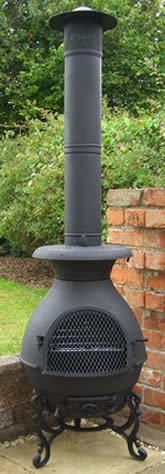
Easy to move
Modern chimineas that are traditionally made of clay, are also available in other metals such as cast aluminum and cast iron. Chimineas can be coated with a protective coating that prevents corrosion. The kind of chiminea you select will depend on the style you want to achieve in your outdoor space, and the kind of fuel you prefer to use. Clay is a greener option but can crack in the event of a fall, and needs more maintenance, while metal versions are more durable, but require regular painting to keep corrosion at the bay.
chiminea tall are incredibly versatile and can be used as a focal point in any patio or garden. They are a masterpiece and provide warmth and ambiance for people to gather around. The design of the fire pits allows the smoke to be vented through a chimney so that it does not drift into the eyes of the people who are enjoying the fire. They are less susceptible to wind than other kind of outdoor fire pit.
To ensure that your chiminea is in good shape it is important to remove any ash from the bowl's bottom after it has cooled and clean any debris that has accumulated on the top of the stack. Then, reseal the chimney's top and sides with a silicone sealant. This will protect the interior from water damage and make it easier to clean. It is also recommended to regularly seal the exterior of chimineas using acrylic latex paints or spray can sealants.
Before you start using your chiminea, it's important to season it with several small fires. After your chiminea is well-seasoned, you can begin to build larger fires by using logs. Duraflame logs can be used to speed up the process, however it is best to have your chiminea properly seasoned.
Chimineas should be kept on a flat surface, away from any surface that could catch fire, such as walls and fences as well as screens. They can be very hot after a fire so children should be kept away from them until they're completely cool. They must be protected from the elements by the use of a cover when not being used.